Essential Pet Emergency Preparation: Creating a Complete Pet Emergency Kit

When life throws unexpected challenges our way, being prepared can make all the difference—especially when it comes to our furry friends. Whether you’re heading out for a quick trip or facing a sudden emergency, having a well-stocked pet emergency kit is a smart move. I’ve learned that putting together this kit isn’t just about gathering supplies; it’s about peace of mind and knowing you can care for your pet no matter what happens.
Let’s walk through how to create a complete pet emergency kit that covers all the bases. I’ll share practical tips, what to include, and how to keep everything ready to go. This way, you’ll feel confident and ready to protect your pet in any situation.
Why Pet Emergency Preparation Matters
Emergencies can happen anytime, anywhere. From natural disasters to unexpected accidents, having a plan and the right supplies can save precious time and reduce stress. When you prepare ahead, you’re not just protecting your pet’s health—you’re also making sure you can act quickly and calmly.
Pet emergency preparation means thinking about your pet’s unique needs. Dogs, cats, and other pets all require different care, so your kit should reflect that. For example, a dog might need extra water and a leash, while a cat might need a carrier and familiar toys to stay calm.
By assembling a kit tailored to your pet, you’re creating a safety net. This preparation helps you avoid last-minute scrambling and ensures your pet’s comfort and safety during tough times.
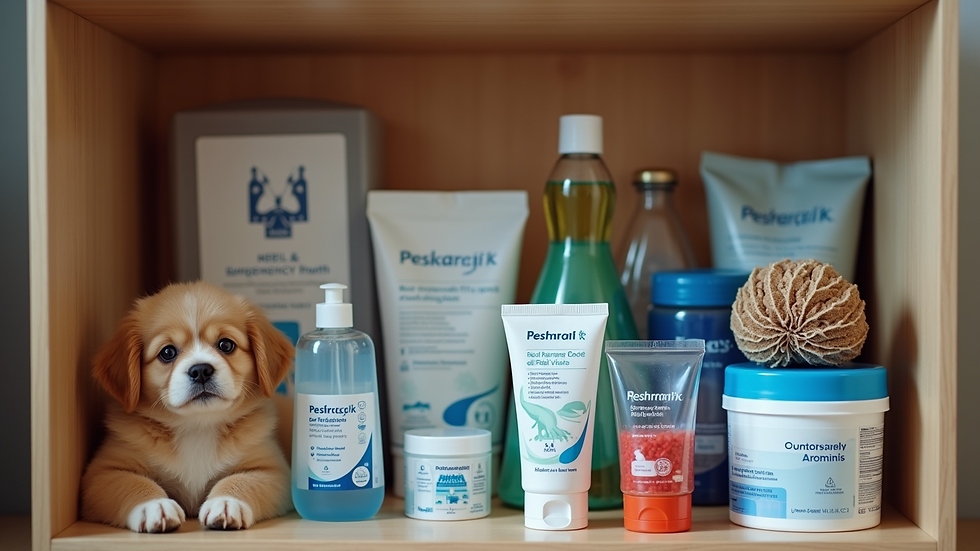
Building Your Pet Emergency Preparation Kit
Creating your kit is easier than you might think. Start with the basics and add items based on your pet’s specific needs. Here’s a simple checklist to get you going:
Food and Water: Pack at least three days’ worth of your pet’s regular food and bottled water. Don’t forget bowls for feeding and drinking.
Medications and Medical Records: Include any prescriptions, supplements, and a copy of your pet’s vaccination records.
First Aid Supplies: Bandages, antiseptic wipes, tweezers, and a pet-safe pain reliever (consult your vet first).
Comfort Items: A favorite toy, blanket, or bed to help reduce stress.
Sanitation Supplies: Waste bags, paper towels, and pet-safe disinfectant.
Identification: Collar with ID tags, microchip information, and a recent photo of your pet.
Leash and Carrier: Essential for safely transporting your pet.
Emergency Contact List: Vet’s phone number, local animal shelters, and poison control.
Once you have these items, store them in a durable, easy-to-carry container. A backpack or plastic bin with a secure lid works well. Keep the kit in a place you can access quickly, and check it regularly to replace expired items or update supplies.
What to Stockpile for 72 Hours?
In many emergencies, you might need to care for your pet for at least 72 hours without outside help. That’s why your kit should cover this critical time frame. Here’s what to focus on:
Food: Dry kibble or canned food that your pet eats regularly. Avoid sudden diet changes during stressful times.
Water: At least one gallon per day for your pet, more if it’s hot or your pet is very active.
Medications: Enough for three days, plus a little extra in case of delays.
Sanitation: Extra waste bags and cleaning supplies to maintain hygiene.
Comfort and Safety: Familiar items to keep your pet calm and secure.
Planning for 72 hours means you’re prepared for most short-term emergencies, whether you’re sheltering in place or evacuating. It’s a good idea to rotate food and water supplies every six months to keep everything fresh.

Tips for Keeping Your Kit Ready and Accessible
Having a kit is one thing, but keeping it ready and accessible is just as important. Here are some tips I’ve found helpful:
Regularly Check Expiration Dates: Food, medications, and first aid supplies can expire. Set a reminder every six months to review your kit.
Update Contact Information: Make sure phone numbers and addresses are current.
Practice Using Your Kit: Familiarize yourself with where everything is and how to use it. This can save time during an emergency.
Customize for Your Pet: If you have multiple pets, create separate kits or clearly label items for each one.
Keep It Portable: Choose a container that’s easy to carry, especially if you need to evacuate quickly.
Remember, emergencies are stressful enough. Having a well-maintained kit means you won’t have to worry about scrambling for supplies when time is critical.
Staying Prepared on the Go
For those of us who are always on the move, pet emergency preparation doesn’t stop at home. Whether you’re visiting a dog park, traveling, or running errands, having access to essential pet supplies is key. That’s why I appreciate solutions like Puppy Pantry, which places vending machines stocked with pet essentials in convenient, pet-friendly locations.
This kind of support means you can grab food, water, or even first aid items when you’re out and about, without having to carry everything with you all the time. It’s a great way to stay prepared without the bulk.
If you want to learn more about assembling your own pet emergency kit, Puppy Pantry offers helpful resources and products designed for pet owners on the go.
Taking the First Step Today
Creating a complete pet emergency kit might seem like a big task, but it’s really about taking small, manageable steps. Start by gathering the essentials, then build from there. Keep your pet’s unique needs in mind, and remember that preparation is a gift of safety and comfort.
By investing a little time now, you’re making sure that when the unexpected happens, you and your pet will be ready. It’s one of the best ways to show your love and care, no matter where life takes you.
Stay safe, stay prepared, and give your pet the best protection possible!


Comments